
Can the Moon Phase Calendar 2025 Change Your Life? I Tried It for a Year
I still remember the first time I truly *saw* the moon. I was seven, barefoot on the dewy grass behind my grandmother’s cottage in Devon, the kind of night where the air hums with quiet magic. Above me, a full moon glowed like liquid silver, so bright it cast shadows of the oak branches across the lawn. My grandmother sat beside me, wrapped in a knitted shawl, whispering stories about how the moon watched over dreamers, gardeners, and lovers alike. That night, I didn’t just see the moon—I felt it. It pulsed in my chest like a second heartbeat. Years later, I’d come to understand that what I’d experienced wasn’t just wonder, but connection—a personal, storytelling thread woven between me and the cosmos through the gentle rhythm of the **moon phase**.
It’s strange how something so distant can feel so intimate. Over the years, I’ve found that the moon has quietly guided my life’s rhythms—when to speak up, when to rest, when to plant seeds both literal and metaphorical. There’s a deep comfort in realizing that we’re all moving through cycles, just like the moon. And understanding those cycles—the **eight moon phases names**, their subtle shifts, their quiet promises—feels less like studying astronomy and more like coming home.
The Eight Moon Phases Names: More Than Just Stages in the Sky
If you listen closely, each moon phase whispers its own name like an old friend calling from across a field. There’s the **New Moon**, hidden and dark, cradled in silence—a time for planting intentions beneath the surface. Then comes the **Waxing Crescent**, a delicate sliver of light returning, like hope rekindling after a long winter. The **First Quarter** arrives with determination, half-illuminated, urging us to take action, to push forward even when the path isn’t fully lit.
Next is the **Waxing Gibbous**, nearly full, pulsing with anticipation. It’s the stretch before achievement, the final edits before publishing, the last training run before race day. Then—**Full Moon**, radiant and revealing. This is when truth surfaces, emotions peak, and clarity breaks through like dawn. I’ve celebrated birthdays, healed heartbreaks, and made pivotal decisions under full moons, each one a personal milestone bathed in celestial light.
But the journey doesn’t end there. The **Waning Gibbous** begins the soft release, inviting gratitude and reflection. The **Last Quarter** asks us to let go, to forgive, to prune what no longer serves. And finally, the **Waning Crescent**, a fading glow, a time for rest, for dreams, for surrender. These **eight moon phases names** aren’t just labels—they’re emotional waypoints, mirrors reflecting our inner cycles of growth, release, and renewal.
I once kept a journal for a full lunar cycle, noting my moods alongside each phase. What surprised me wasn’t just the patterns—it was how naturally my energy aligned with the moon’s rhythm. On waxing phases, I felt inspired to start projects. During waning phases, I craved solitude and cleanup. It was as if the moon had been guiding me all along, and I was only now learning its language.
How Moon Phases Work: The Quiet Dance Between Earth, Moon, and Sun
Last summer, my six-year-old niece, Lily, curled up beside me during bedtime, her eyes wide. “Auntie,” she asked, “why does the moon change shape?” I smiled, remembering my own childhood questions. Instead of diagrams or jargon, I told her a story.
“Imagine,” I began, “that the Sun is a giant flashlight in space. The Moon is like a ball you’re holding, and you’re standing on Earth, spinning slowly. When the ball faces away from the flashlight, you can’t see it—that’s the New Moon. But as you turn, a little edge catches the light. That’s the Waxing Crescent. Keep turning, and more and more of the ball lights up, until—*whoosh!*—the whole front is glowing. That’s the Full Moon.”
She giggled. “So the moon doesn’t really change? It’s just… playing hide and seek with the light?”
“Exactly,” I said. “And then, as you keep turning, the light starts to slip away again, until it hides completely, ready to begin anew.”
This simple explanation of **how moon phases work**—based on perspective, orbit, and reflected sunlight—is backed by NASA’s educational resources, which emphasize that the moon’s appearance changes due to its position relative to Earth and the Sun (NASA Space Place, 2023). No magic, just geometry—but somehow, it feels magical anyway. Because isn’t that how life works, too? Our view of a situation changes with our perspective. A problem in shadow today might be illuminated tomorrow, simply because we’ve turned.
Moon Phases for Kids: Teaching Wonder One Phase at a Time
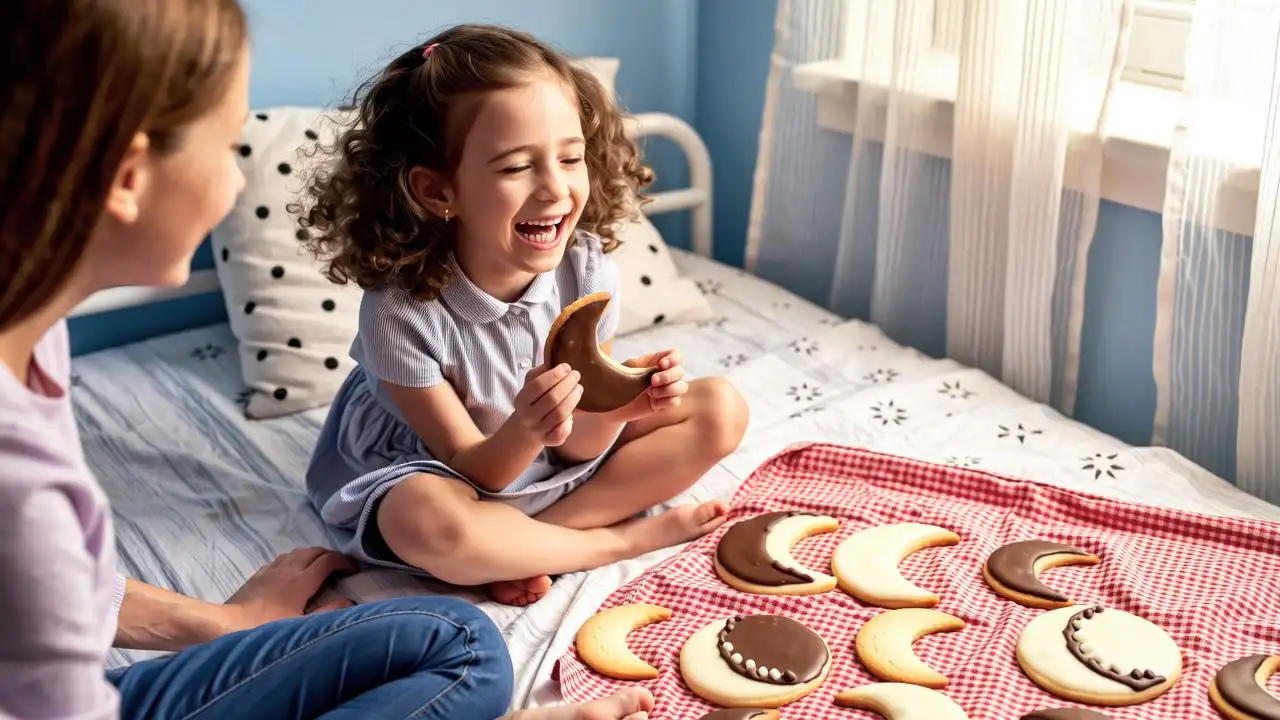
Teaching **moon phases for kids** isn’t about memorizing facts—it’s about nurturing wonder. One weekend, I invited Lily and her friends over for “Moon Cookie Day.” We baked vanilla sugar cookies and used chocolate frosting to recreate each phase. A fully frosted cookie was the Full Moon. One with a small crescent? Waxing Crescent. We scraped off frosting for the waning phases, laughing as crumbs scattered like stardust.
But the real treasure became our family moon journal. Every few nights, we’d step outside, sketch what we saw, and write down how we felt. “Tonight the moon looked sad,” Lily wrote once during a thin waning crescent. Another time: “The moon smiled at me!” under a bright crescent. These moments weren’t just about teaching moon phases—they were about presence. About slowing down, looking up, and sharing silence together.
Living by the Moon Phase Calendar 2025: My Year of Lunar Intentions
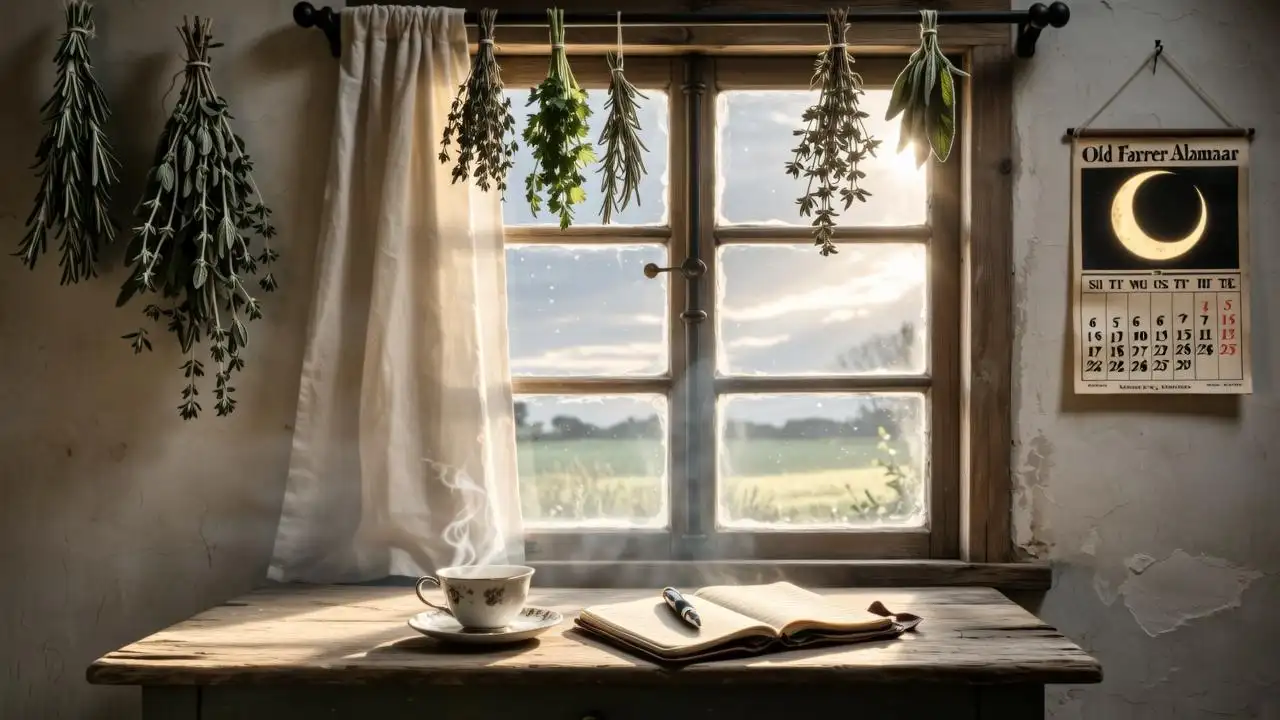
This year, I decided to live intentionally by the **moon phase calendar 2025**. Not rigidly, but gently—like following a compass rather than a map. I printed a lunar calendar from the *Old Farmer’s Almanac*, a trusted source since 1792, and hung it in my kitchen.
In April, during the waxing moon—a time of growth—I planted my vegetable garden. Farmers have long believed that planting during the waxing phase encourages stronger leaf and fruit development. While scientific studies are mixed, a 2021 review published in *Sustainability* noted that some biodynamic practices, including lunar planting, show anecdotal and regional success, particularly in organic farming communities.
During waning phases, I focused on release. I cleared out old clothes, ended unfulfilling commitments, and journaled about habits I wanted to let go of—procrastination, self-doubt, the habit of checking my phone first thing in the morning. Each waning moon became a quiet ceremony of surrender.
And when I hit personal milestones—a book acceptance letter, a hard conversation resolved, a moment of deep peace—I celebrated them as my own “full moons.” These weren’t dictated by calendars or social media, but by inner knowing. Living by the **lunar calendar** in 2025 hasn’t made me mystical—it’s made me mindful.
Conclusion: Returning to the Rhythm—Why the Moon Still Matters
In a world that never stops buzzing—with notifications, deadlines, and endless scrolling—the moon remains a quiet anchor. It reminds us that everything has a season: to begin, to grow, to shine, to rest. Reconnecting with this natural rhythm isn’t about escaping modern life; it’s about finding balance within it.
You don’t need a telescope or a degree in astrophysics. You just need to look up. Notice the sliver in the evening sky. Feel the glow on a clear night. Let the **moon** remind you that you, too, are part of something vast and beautiful.
May you find your rhythm in its glow.
Disclaimer: The information provided regarding is for general informational purposes only and does not constitute professional advice. Regulations and insurance products are subject to change. Consult licensed insurance professionals for guidance specific to your situation.
Eleanor Hartwell
|
2025.11.25


