

 Feed back
 Privacy Policy
Fullmoon
The full moon cycle of 2025 begins in January with the Wolf Moon and progresses through seasonal markers recognized globally. The November full moon is the penultimate lunar peak of the year, occurring just before the winter solstice in the Northern Hemisphere. It plays a key role in both agricultural calendars and spiritual practices, symbolizing preparation for the colder months ahead. Culturally, its name reflects historical human activity linked to nature’s rhythms. Astronomically, the November full moon rises around sunset and remains visible throughout the night, reaching peak illumination at a precise moment calculated by institutions like NASA and the U.S. Naval Observatory. This guide will provide verified details on the full moon november timing, its traditional and modern interpretations, and how individuals can engage with its energy mindfully.
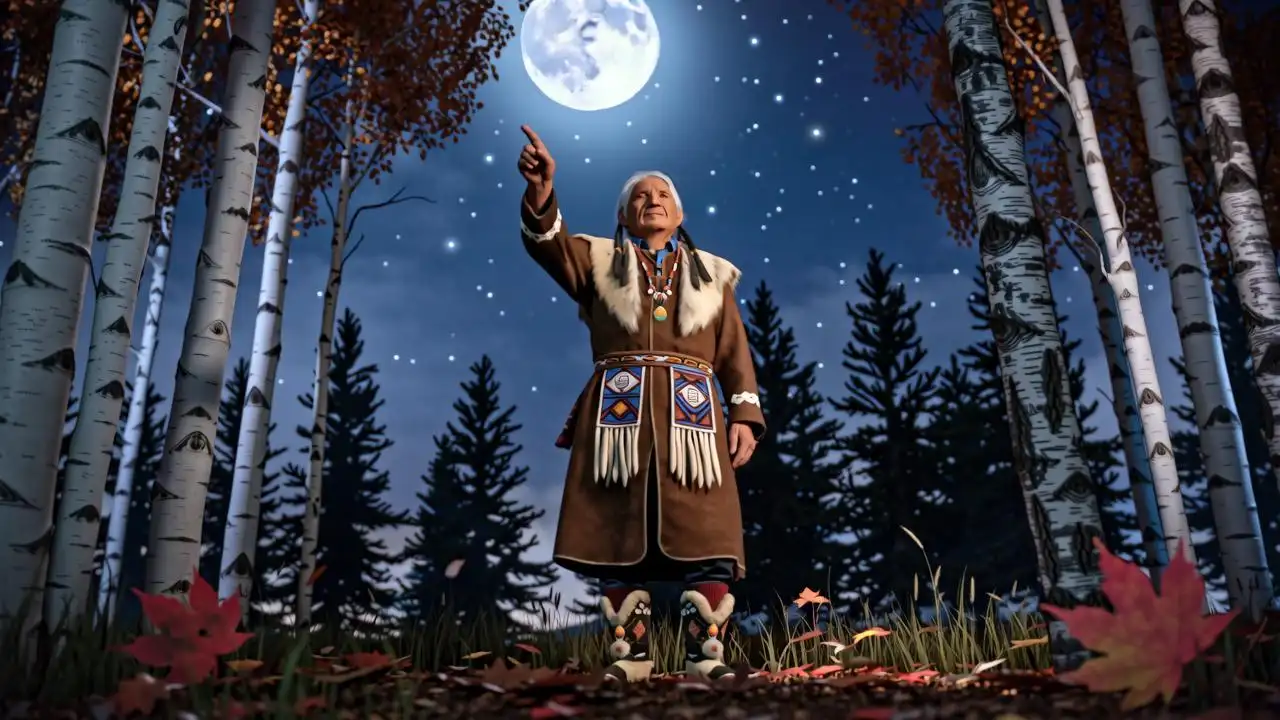
The practice of naming full moons originates largely from Native American tribes, particularly the Algonquin peoples who lived in what is now northeastern North America. These communities tracked seasons using lunar cycles and assigned descriptive names based on natural phenomena occurring during each month. For example, fishing patterns, animal behavior, or plant growth informed the naming convention. These names were later adopted and popularized by colonial Europeans and are now widely used in modern almanacs and media.
Below is the list of full moon names 2025, reflecting both indigenous traditions and contemporary usage:
Alternative names for the November full moon exist in European and colonial records. Some sources refer to it as the “Frost Moon” or “Freezing Moon,” emphasizing weather conditions rather than wildlife activity. In Christian liturgical calendars, it may be called the “Luna Sancta” or holy moon, though this usage is rare today. The term "Beaver Moon" has become standard in most English-language references due to its widespread adoption by the Farmer’s Almanac and astronomical publications.
The Beaver Moon 2025 date is confirmed as Tuesday, November 18, 2025. Peak illumination will occur at 06:17 UTC. For major global time zones, this translates to:
While the Moon appears full to the naked eye for about three days, the exact moment of maximum illumination occurs when the Moon is directly opposite the Sun in ecliptic longitude—a point defined astronomically as 180° separation. According to data from the U.S. Naval Observatory, the Moon will reach 99.9% illumination within an hour of this peak, making viewing viable on both November 17 and 18 depending on location.
Visibility forecasts indicate favorable conditions for observers in North America, Europe, and parts of northern Asia. In the United States and Canada, the full moon will rise in the east shortly after sunset on November 17 and remain high in the sky overnight. Viewers are advised to find dark-sky locations away from city lights for optimal observation. Using binoculars or a small telescope can reveal surface details such as craters and maria. No special equipment is needed to appreciate the visual brilliance of the full moon 2025.
Weather permitting, live webcasts from observatories such as the Griffith Observatory (Los Angeles) and the Royal Observatory Greenwich (UK) are expected to stream the event, providing real-time commentary and tracking.
In astrology, the November 2025 full moon will occur with the Sun in Taurus and the Moon in Scorpio, creating a powerful opposition between these two fixed signs. Taurus governs stability, material resources, and sensory pleasures, while Scorpio rules transformation, intimacy, and emotional depth. This polarity often brings underlying tensions to the surface, prompting individuals to confront issues related to trust, value systems, and personal power.
Key planetary alignments during the full moon astrology November include:
Astrologers interpret this lunation as a catalyst for releasing outdated attachments—particularly those involving money, security, or emotional dependency. The Taurus-Scorpio axis challenges people to balance comfort with necessary change. Common themes may include reevaluating long-term goals, addressing hidden conflicts in partnerships, or initiating healing processes rooted in past trauma.
Spiritually, this period supports deep inner work. Practices such as shadow journaling, therapy sessions, or guided meditations are especially effective under this full moon november influence. It is not a time for impulsive decisions but rather for gaining clarity through stillness and honest self-assessment.
Scientific research into the effects of full moon in november and other months presents mixed results. While no conclusive evidence proves that lunar phases directly cause behavioral changes, several peer-reviewed studies suggest subtle correlations. A 2013 study published in Current Biology found that participants took an average of five minutes longer to fall asleep and experienced reduced total sleep duration by 20 minutes during full moon nights, even when they were not exposed to moonlight. Researchers hypothesized that internal circadian rhythms might be weakly synchronized with lunar cycles.
Other observational data indicates slight increases in emergency room visits during full moons, though confounding variables such as weather, weekends, or holidays make causal links difficult to establish. A meta-analysis conducted by Rotton and Kelly (1985) reviewed over 30 studies and concluded there was no significant relationship between lunar phases and crime rates, psychiatric admissions, or accidents—though individual case reports persist.
Anecdotally, many people report heightened emotions, vivid dreams, and restlessness around the full moon 2025 events. Nurses, teachers, and mental health professionals sometimes describe increased agitation or unpredictability in patients or students during these periods. While such accounts are subjective, they reflect a long-standing cultural belief in lunar influence on human behavior.
To manage potential disruptions and harness the moon’s energy mindfully, consider the following strategies:
These approaches align with both scientific recommendations and holistic wellness principles.

As we approach the end of 2025’s lunar cycle, the Beaver Moon 2025 date on November 18 offers a meaningful opportunity for awareness and intention-setting. With its roots in practical survival and symbolic transformation, this full moon bridges ancient wisdom and modern understanding. Key takeaways include the confirmed astronomical timing, the rich tradition behind full moon names 2025, and the nuanced insights offered by full moon astrology November.
Practical suggestions for engaging with this lunar event include:
By observing the full moon 2025 mindfully, individuals can better understand their own patterns and responses over time. Whether approached from a scientific, cultural, or spiritual perspective, the Beaver Moon invites reflection, gratitude, and preparation for the year ahead.
Elliot Thompson
|
2025.11.25


