

 Feed back
 Privacy Policy
Fullmoon
The term **"blue moon"** often evokes images of a rare celestial event where the Moon glows in an ethereal blue hue. However, contrary to popular belief, a blue moon does not refer to the Moon’s actual color. Instead, it is a calendrical or seasonal anomaly that occurs when an extra full moon appears within a specific time frame. In modern astronomy and popular culture, understanding **what is blue moon** involves distinguishing between two distinct definitions—both rooted more in timing than in visual appearance. Despite its name, the Moon does not turn blue during this phenomenon; atmospheric conditions such as volcanic ash or forest fire smoke are required for such a visual effect, which is entirely separate from the astronomical definition. This article explores the origins of the term, explains the **blue moon frequency**, clarifies misconceptions about the **next blue moon 2025**, and examines the enduring **blue moon superstitions** across cultures. We will also cover how often these events occur, their scientific background, and cultural significance.
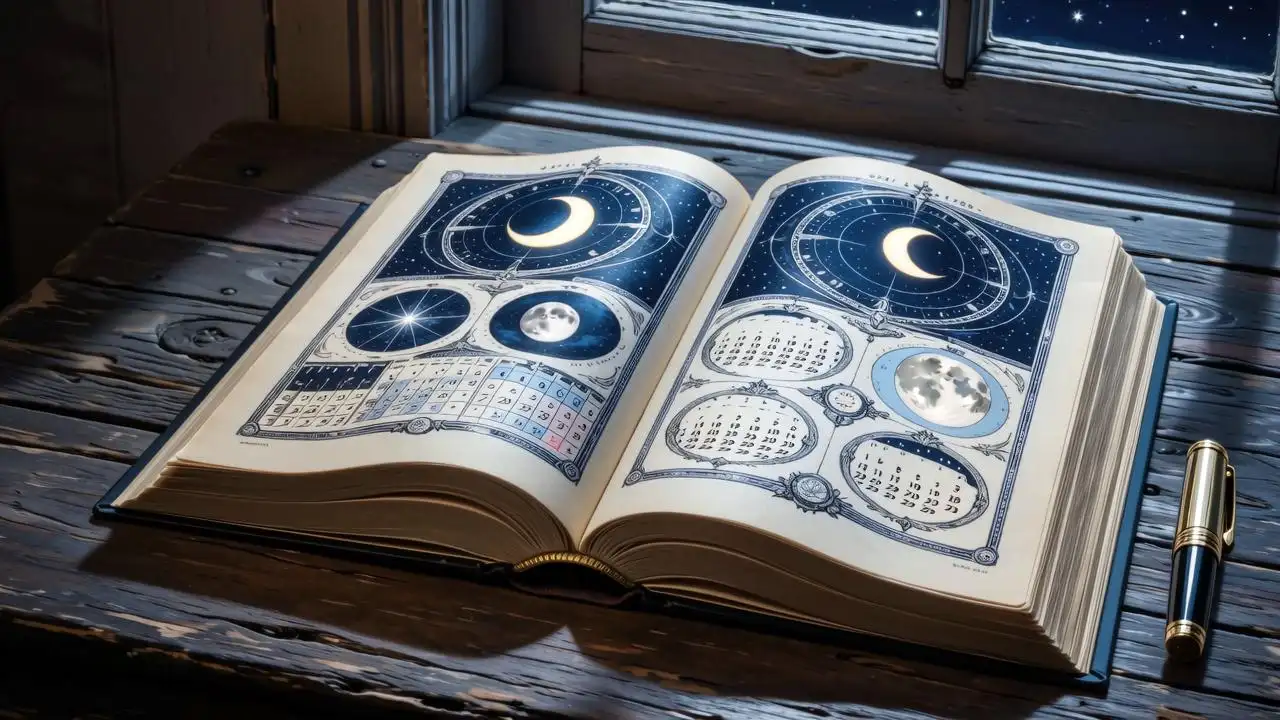
There are two accepted definitions of a **blue moon**, each with different historical roots. The first and most widely recognized today is the **calendar-based blue moon**: the second full moon within a single calendar month. Because the lunar cycle (approximately 29.5 days) is shorter than most calendar months, it's unusual—but not impossible—for two to fall within the same month, especially in months with 31 days. The phrase has entered everyday language through expressions like “once in a blue moon,” meaning something that happens very rarely. While the concept may seem mystical, the reality is grounded in astronomy and calendar mechanics rather than supernatural occurrences. It's important to clarify that despite the name, the Moon does not actually appear blue during a blue moon. True blue-colored moons are extremely rare and caused by particulate matter in Earth’s atmosphere scattering red light, allowing blue wavelengths to dominate—such as after major volcanic eruptions like Mount Pinatubo in 1991. Our exploration will delve into both definitions of a blue moon, its recurrence patterns, upcoming dates, and the rich tapestry of myths and beliefs surrounding it.
Understanding **blue moon frequency** helps demystify just how rare these events truly are. On average, a calendar-based blue moon occurs approximately every **2.4 years**. This statistical regularity arises from the mismatch between our Gregorian calendar and the lunar cycle. Over a 19-year Metonic cycle—which aligns lunar phases with calendar dates—there are typically seven blue moons, confirming their predictable nature.
Seasonal blue moons follow a similar but not identical pattern. They occur roughly every 2.7 years, making them marginally rarer than monthly blue moons. Due to differences in how seasons and months are structured, the two types do not always coincide. Occasionally, a year may feature both a seasonal and a calendar blue moon, though this is uncommon.
Time zones can influence whether a blue moon is observed in a given region. Because the exact moment of full moon is fixed globally but spans different local dates depending on time zone, some countries may record two full moons in a month while others do not. For instance, a full moon occurring just before midnight UTC on January 31 might be seen as February 1st in parts of Asia, potentially shifting whether a blue moon is recorded locally. Therefore, **how often is a blue moon** experienced can vary slightly based on geographic location, although the global astronomical record remains consistent.
Despite common searches for the **next blue moon 2025**, there will be **no blue moon in 2025** under either definition. Neither a monthly nor a seasonal blue moon will occur that year. The last monthly blue moon took place on August 31, 2023, and the next one is expected on **May 31, 2026**. This date marks the second full moon in May 2026, assuming the first occurs around May 1–2.
Some confusion arises due to misinformation online or misunderstandings about lunar cycles. People often assume blue moons happen every few years without checking specific alignments. Astronomical data from sources like NASA’s Goddard Space Flight Center and the U.S. Naval Observatory confirm that no month in 2025 contains two full moons, and no season in 2025 has four full moons.
For those eager to observe the **when is the next blue moon** event in 2026, preparation enhances the experience. No special equipment is needed—blue moons look identical to regular full moons. However, choosing a viewing location away from city lights improves visibility. Using apps like SkySafari or Stellarium can help track moonrise times and positions. Additionally, pairing observation with photography using a tripod-mounted camera or smartphone with night mode can capture stunning lunar images. Remember, while the term sounds exotic, the visual difference is negligible; what makes it special is its place in the calendar.
Beyond science, the **blue moon superstitions** reflect humanity’s long-standing fascination with celestial events. Across cultures, full moons have been associated with heightened emotions, fertility, and transformation. A blue moon, being rarer, amplifies these associations. Some folklore traditions view a blue moon as a time of powerful magic, ideal for spellwork, manifestation rituals, or spiritual cleansing. Wiccans and modern pagans sometimes consider blue moons opportune moments for initiation ceremonies or deep meditation.
In astrology, a blue moon is believed to intensify planetary influences. Astrologers suggest that intentions set during a blue moon carry greater momentum due to its perceived rarity and energetic charge. New Age communities often promote blue moons as portals for personal breakthroughs or karmic release.
The phrase “once in a blue moon” dates back to at least the 16th century, originally used sarcastically to describe something absurd or impossible. Over time, its meaning evolved to signify genuine rarity. According to the Oxford English Dictionary, the earliest known use was in a 1528 anti-clerical pamphlet criticizing the Catholic Church: “Yf they say the mone is blewe / We must believe that it is true.” By the late 1800s, it had taken on its current idiomatic sense.
While these beliefs lack scientific basis, they underscore the human tendency to find meaning in natural rhythms. Whether viewed spiritually or astronomically, blue moons continue to inspire wonder.
In summary, understanding **what is blue moon** requires separating myth from astronomical fact. A blue moon is not a change in the Moon’s color but a result of calendar quirks—either two full moons in one month or the third of four in a season. Its **blue moon frequency** averages once every 2.4 years, far more predictable than many assume. Although there is no **next blue moon 2025**, skywatchers can anticipate the next occurrence on May 31, 2026. Meanwhile, **blue moon superstitions** persist in various cultural and spiritual practices, illustrating how celestial events shape human storytelling and belief systems.
Observing lunar phenomena should combine curiosity with critical thinking. Reliable resources such as timeanddate.com, NASA’s Eclipse Website, and the Royal Observatory Greenwich offer accurate forecasts of future full moons, eclipses, and other astronomical events. Whether you're a casual stargazer or a dedicated amateur astronomer, staying informed ensures a richer appreciation of the night sky.
Disclaimer: The information provided regarding is for general informational purposes only and does not constitute professional advice. Regulations and insurance products are subject to change. Consult licensed insurance professionals for guidance specific to your situation.
Thomas Reed
|
2025.11.25


