

 Feed back
 Privacy Policy
Fullmoon
The full moon in November 2025 will occur on Tuesday, November 12, 2025, reaching peak illumination at 13:34 UTC (Coordinated Universal Time), according to data from the U.S. Naval Observatory. This lunar event will be visible across most of the globe, with optimal viewing occurring the night before and the night of the full phase due to atmospheric conditions and moonrise timing. As one of the final full moons before the winter solstice, the November full moon holds a unique place in both astronomical and cultural calendars.
This moon is traditionally known as the Beaver Moon, a name rooted in Native American seasonal observation practices. Tribes such as the Algonquin used lunar cycles to track the seasons, assigning descriptive names to each full moon based on natural phenomena. The term "Beaver Moon" reflects the time of year when beavers become particularly active in preparing for winter—building dams and gathering food—making it an ideal period for setting traps before waterways froze over.
Beyond its practical origins, the November full moon draws attention for its seasonal, spiritual, and symbolic relevance. As daylight diminishes and nature enters a state of rest, this full moon serves as a powerful marker of transition. It invites reflection on the closing agricultural cycle, personal growth throughout the year, and preparation for the introspective energy of winter. Whether viewed through an astronomical, historical, or spiritual lens, the full moon 2025 offers a meaningful opportunity to connect with natural rhythms and deepen awareness of our place within them.
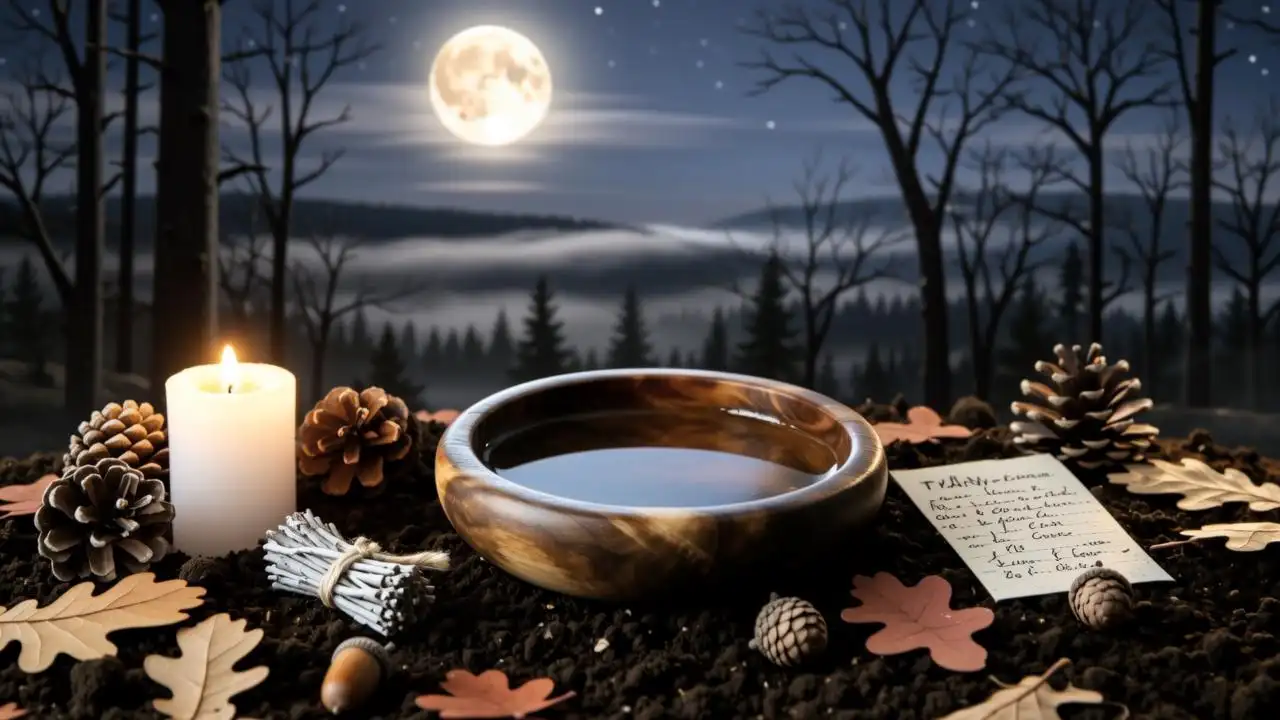
The beaver moon meaning originates primarily from the naming traditions of various Native American tribes, particularly those in the northeastern United States. These communities relied on a lunisolar calendar system, where each full moon marked a specific phase in the annual cycle of hunting, planting, and harvesting. The November full moon signaled the onset of colder weather and was named after the increased activity of beavers, who were seen reinforcing their lodges and becoming less accessible once ice formed on rivers and ponds.
Historically, this period was also significant for colonial settlers, who adopted many indigenous moon names through interactions with local tribes. Early European colonists recognized the practical wisdom embedded in these names and incorporated them into almanacs—publications that provided farmers and rural populations with essential information about tides, planting times, and celestial events. For instance, the *Old Farmer’s Almanac*, first published in 1792, has preserved the term “Beaver Moon” for over two centuries, helping to maintain its cultural continuity.
In addition to its association with animal behavior, the Beaver Moon also symbolizes preparation and resourcefulness. Just as beavers stockpile materials and fortify their homes, humans are encouraged to assess their own readiness for the coming winter months. This theme of foresight and self-sufficiency remains relevant today, even in modern urban settings. Understanding the november full moon in this context provides insight not only into ecological patterns but also into sustainable living practices aligned with seasonal changes.
The spiritual significance november full moon lies in its role as a bridge between autumn’s harvest season and winter’s inward journey. In many spiritual traditions, this time of year emphasizes themes of reflection, gratitude, and transition. The waning light encourages introspection, while the full moon’s brightness offers clarity—a metaphorical lantern guiding individuals through personal review and emotional release.
Symbolically, the November full moon represents inner clarity and the need to let go of what no longer serves. As trees shed their leaves and animals retreat, there is a natural invitation to declutter emotionally and spiritually. This process aligns with broader concepts in mindfulness and seasonal psychology, which suggest that human well-being benefits from synchronizing internal states with external environmental shifts.
Various spiritual paths interpret this moon differently. In **Pagan and Wiccan traditions**, the Beaver Moon may be honored during rituals focused on protection, abundance, and honoring ancestral wisdom. Some practitioners observe it as part of the Samhain aftermath, continuing the work of releasing past burdens and sealing intentions set during the earlier sabbat. Contemporary mindfulness practices often incorporate full moon meditation, journaling, or breathwork to cultivate presence and gratitude.
Astrologically, if the November 2025 full moon occurs under a particular zodiac sign—such as Taurus or Scorpio, depending on the year—it can further influence its energetic qualities. However, regardless of astrological placement, the core beaver moon meaning remains consistent: a call to prepare, reflect, and honor the quiet strength found in stillness.
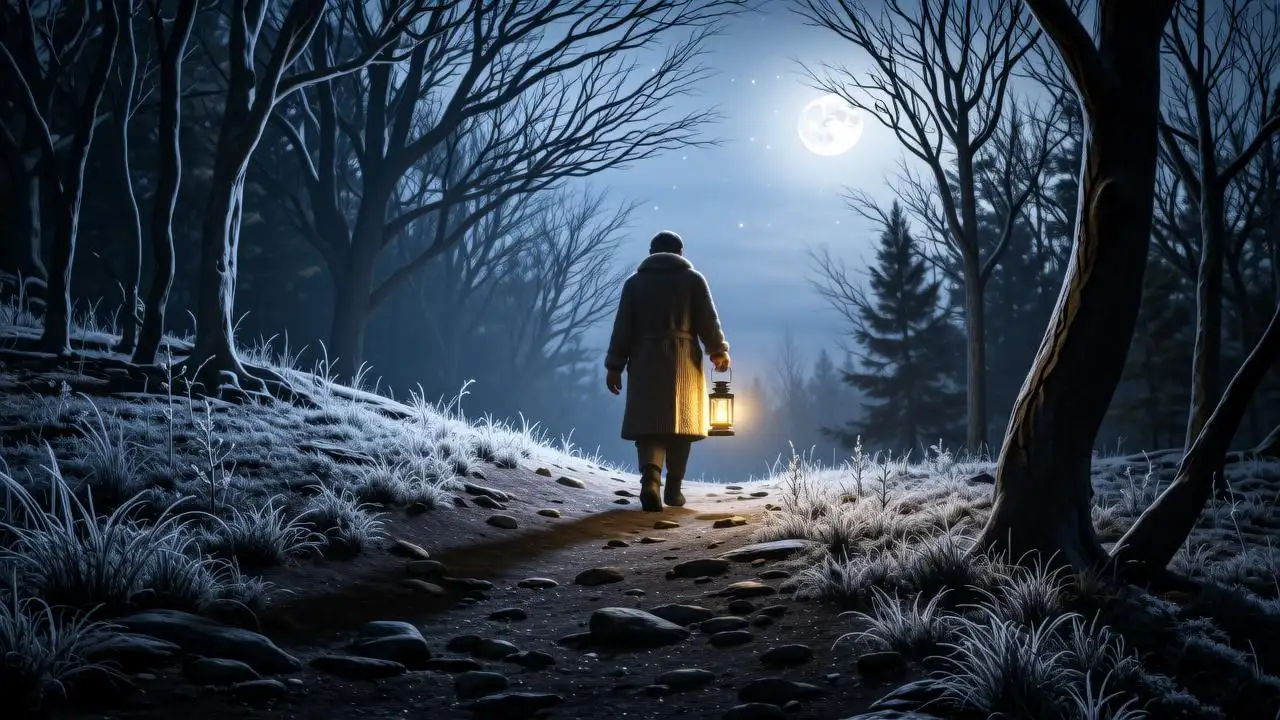
Engaging in full moon rituals november allows individuals to harness the symbolic power of this lunar phase in tangible ways. Common elements include cleansing spaces with sage or palo santo, lighting candles (often white or silver to represent purity and lunar energy), and using crystals like clear quartz or moonstone believed to amplify intuition and release stagnant energy.
The Beaver Moon’s energy supports both letting go and setting winter intentions. One effective ritual involves writing down habits, thoughts, or relationships one wishes to release, then safely burning or burying the paper as a symbolic act of surrender. Simultaneously, creating a list of goals or affirmations for the upcoming season—focused on resilience, warmth, and inner growth—can help establish a grounded mindset for winter.
Simple, accessible rituals suitable for individuals or groups include:
These practices do not require special training or equipment. Their value lies in intentional presence and connection to natural cycles. When performed mindfully, they reinforce the spiritual significance november full moon and foster a deeper relationship with the earth's rhythms.
Knowing how to celebrate the beaver moon can transform a celestial event into a personally enriching experience. Start by checking local moonrise times: in 2025, the Beaver Moon will rise around sunset on November 11–12, varying slightly by location. For example, in New York City, moonrise is expected around 5:18 PM EST on November 12, offering prime viewing just after dusk.
Practical celebration ideas include:
Incorporating nature-based elements deepens the experience. Use wood from fallen branches, collect rainwater in a bowl to reflect moonlight, or place mirrors outside to capture the glow. These actions create a sensory connection to the environment and honor the moon’s role in regulating tides, plant cycles, and animal behavior.
For those unable to go outside, creating an indoor observatory with candles, calming music, and a view of the sky can be equally powerful. The key is intentionality—aligning one’s actions with the moon’s symbolic message of preparation and mindful transition.
The 2025 Beaver Moon encapsulates key themes of preparation, reflection, and connection. As the last major lunar milestone before winter, it offers a moment to pause and evaluate one’s alignment with natural cycles. Whether approached through astronomy, history, or spirituality, this november full moon reminds us of the enduring wisdom found in observing nature’s patterns.
Understanding the beaver moon meaning goes beyond folklore; it invites a lifestyle attuned to seasonal change. Similarly, recognizing the spiritual significance november full moon empowers individuals to engage in meaningful practices that support emotional balance and personal growth. By participating in full moon rituals november or exploring new ways to how to celebrate the beaver moon, people can cultivate a deeper sense of belonging within the larger web of life.
To continue this journey, consider using reliable resources such as NASA’s lunar phase calculator, the Old Farmer’s Almanac, or apps like SkySafari or Stellarium to track future full moons. Deepening lunar knowledge fosters ongoing appreciation for Earth’s celestial companion and strengthens our capacity to live harmoniously with its rhythms.
Eleanor Thompson
|
2025.11.25


