

 Feed back
 Privacy Policy
Fullmoon
The full moon in November holds a special place in both astronomical observation and cultural tradition. Known widely as the November full moon, this lunar event marks one of the final full moons of the calendar year and is often associated with preparation for the deepening winter months. Across various cultures and historical periods, each full moon has been given names that reflect seasonal changes, agricultural cycles, or wildlife activity. The November full moon is no exception—its timing and characteristics have inspired multiple names, with one standing out in modern usage. In 2025, this celestial occurrence will take place on November 24, drawing attention from astronomers, spiritual practitioners, and nature enthusiasts alike. This guide aims to provide a comprehensive overview of the November full moon name, its historical roots, exact timing in 2025, and its spiritual meaning November full moon traditions attribute to it. Whether you're planning to observe the full moon November 24 or reflect on its symbolic resonance, this article offers accurate, well-researched insights into one of the year’s most anticipated lunar events.
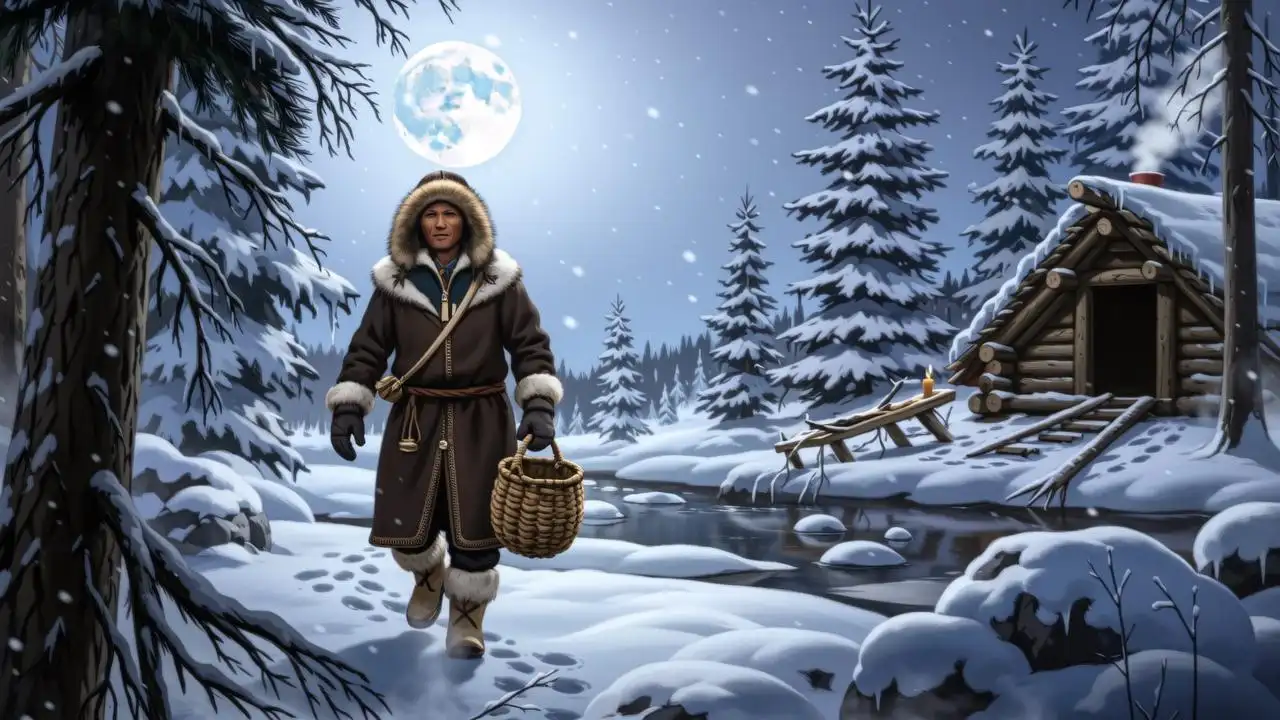
The most widely recognized November full moon name is the "Beaver Moon." This term originates from Native American tribes, particularly the Algonquin-speaking peoples who lived in what is now northeastern North America. They named moons based on natural observations and seasonal activities. The Beaver Moon specifically refers to the time when beavers become more active in preparing their dams for winter, making it an ideal period for trapping them for their warm pelts—a vital resource before the onset of harsh cold.
Alternative historical names for the November full moon include "Frost Moon," used by some northern tribes to describe the increasing frequency of frosts, and "Snow Moon," though this latter name is more commonly associated with the February full moon. Regional variations exist depending on climate and local ecology; for instance, coastal tribes might have referred to it differently than inland groups. Despite these alternatives, the name "Beaver Moon" gained prominence through colonial-era almanacs, such as the Old Farmer’s Almanac, which compiled Indigenous moon names for broader public use. Over time, media outlets and modern spiritual movements adopted "Beaver Moon" as the standard designation, cementing its place in contemporary language. Today, the term beaver moon evokes both historical tradition and seasonal awareness.
The beaver moon 2025 will reach peak illumination on November 24, 2025, at 10:03 UTC. Depending on your location, this translates to different local times:
This means viewers in the Americas may see the moon appear full the night before or after, depending on regional sunset and moonrise times. The Moon will be considered "full" for about three days centered on this date, offering ample opportunity for observation.
In terms of the lunar phase cycle, the full moon November 24 follows the waxing gibbous phase and precedes the waning gibbous phase. It occurs roughly two weeks after the new moon on November 10, 2025, and about two weeks before the next new moon on December 10, 2025. For optimal viewing, experts recommend finding a location away from city lights with minimal cloud cover. Tools such as binoculars or small telescopes can enhance detail, but the full moon is easily visible to the naked eye. Astronomy apps like Stellarium or SkySafari can help track the moonrise and position in real-time. According to NOAA’s Climate Prediction Center, late November typically brings variable weather across North America, so checking local forecasts in advance is advised for the best experience observing the full moon November 24.
The November full moon name “Beaver Moon” traces back to the Algonquin, Ojibwe, and other Indigenous nations of the northeastern United States and southeastern Canada. These communities developed intricate lunar calendars tied closely to environmental cues. Each moon name served not only as a timekeeper but also as a practical guide for survival and community coordination. The beaver moon was named during a season when beavers were actively building and repairing their lodges, making them easier to locate and trap.
Historically, early November marked the last chance to secure beaver pelts before waterways froze solid. Beaver fur was highly valued for its durability and insulating properties, essential for winter clothing. Thus, the Beaver Moon coincided with increased trapping activity, ensuring supplies for the coming months. This connection between lunar cycles and subsistence practices illustrates how deeply integrated astronomy was with daily life among these cultures. The naming system reflected a sustainable relationship with nature, where human activity aligned with animal behavior and seasonal shifts.
Colonial settlers adopted many of these Indigenous moon names, recording them in almanacs published from the 18th century onward. The Old Farmer’s Almanac, first published in 1792, played a key role in popularizing the term Beaver Moon beyond tribal communities. While modern usage sometimes simplifies or romanticizes these names, acknowledging their authentic origins honors the knowledge systems of Native American peoples and preserves cultural accuracy.
In contemporary spiritual circles, the spiritual meaning November full moon carries themes of introspection, release, and gratitude. As the year nears its end, the full moon November serves as a symbolic threshold—a moment to reflect on personal growth, acknowledge challenges, and let go of emotional burdens. Many associate this moon with inner clarity and the importance of setting healthy boundaries, echoing the beaver’s instinct to fortify its home.
Key symbolic themes linked to the Beaver Moon include:
Common rituals observed during this time include:
These practices are not rooted in any single religion but draw from eclectic spiritual traditions that value lunar cycles as tools for self-awareness and transformation. Practitioners often light white or blue candles to symbolize clarity and peace. Though not scientifically validated, such rituals offer psychological benefits by promoting mindfulness and emotional processing.

The beaver moon 2025 presents a meaningful convergence of astronomy, history, and personal reflection. Occurring on full moon November 24, this lunar event offers a chance to connect with natural rhythms and cultural heritage. Its traditional November full moon name, the Beaver Moon, reflects Indigenous wisdom and seasonal awareness, while modern interpretations highlight its spiritual meaning November full moon observances embrace. From a scientific standpoint, it is a predictable yet awe-inspiring celestial display; from a cultural perspective, it remains a symbol of preparation and resilience.
Whether you choose to observe the moonrise, engage in quiet contemplation, or participate in ritual cleansing, the 2025 Beaver Moon invites intentional presence. To deepen your understanding, consider maintaining a moon journal, using astronomy apps to track future phases, or exploring educational resources from Indigenous organizations such as the National Museum of the American Indian. These steps foster respect for the origins of moon names and enrich personal experiences of the night sky.
Ethan Carter
|
2025.11.25


