

 Feed back
 Privacy Policy
Fullmoon
The lunar calendar plays a vital role in both scientific observation and cultural traditions around the world. In 2025, the full moon cycle follows a predictable pattern governed by the Moon’s approximately 29.5-day orbit around Earth. Each full moon occurs when the Moon is positioned directly opposite the Sun, with Earth in between, allowing the lunar surface to reflect sunlight fully and appear round in the night sky. The full moon in November 2025 is one such event of particular interest due to its timing, visibility, and relevance across multiple domains.
This full moon holds significance not only for astronomers tracking celestial mechanics but also for communities observing seasonal festivals, agricultural cycles, or spiritual practices tied to lunar phases. For example, many traditional calendars—including some lunisolar systems—use full moons to mark months or determine festival dates. Additionally, the brightness of the full moon impacts nighttime visibility, influencing activities ranging from wildlife observation to astrophotography.
The purpose of this guide is to provide accurate, science-based information about the full moon 2025, focusing specifically on the November event. Readers will gain access to precise data regarding the exact date of full moon 2025, regional timing differences, moonrise behavior, and post-full moon transitions. Whether you're planning an outdoor photography session, aligning gardening efforts with lunar cycles, or simply satisfying personal curiosity, this article delivers reliable insights backed by astronomical calculations.
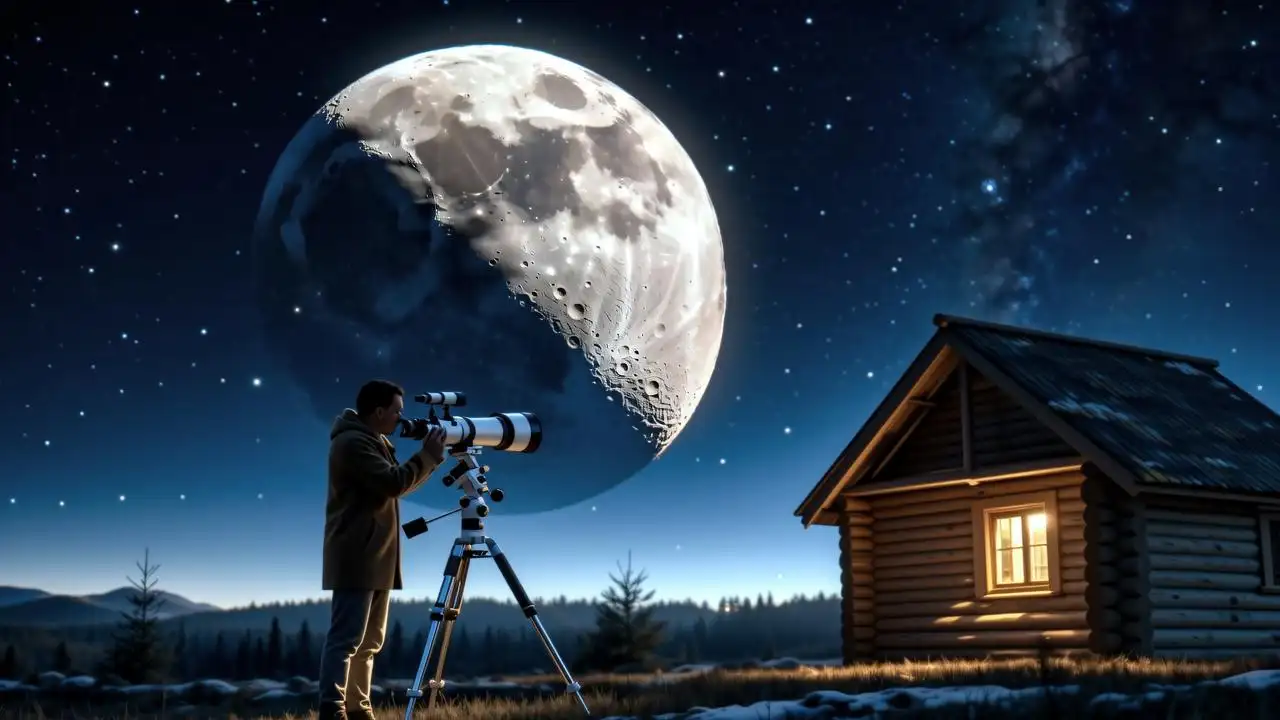
The exact date of full moon 2025 in November is November 12, 2025. This date marks the moment when the Moon reaches its fullest phase as defined by astronomical standards. While the Moon may appear full to the naked eye for a day or two before and after this date, the precise instant of maximum illumination occurs at a specific time coordinated globally using Coordinated Universal Time (UTC).
Astronomers determine the exact moment of the full phase through precise measurements of the Moon's ecliptic longitude relative to the Sun. When the Moon is exactly 180 degrees apart from the Sun in celestial longitude, it is considered "astronomically full." This method ensures consistency across global observatories and timekeeping institutions. Data used in this determination come from authoritative sources such as NASA’s Jet Propulsion Laboratory (JPL) and the U.S. Naval Observatory, which maintain high-precision ephemerides—tables detailing the predicted positions of celestial bodies over time.
It is important to note that while the full moon occurs simultaneously worldwide, the local calendar date can vary depending on time zone. For instance, if the full phase occurs at 14:34 UTC, regions ahead of UTC (such as Europe or Asia) may record the event on November 12, whereas areas behind UTC (like parts of North America) might still be on November 11 at that moment. However, in this case, all major populated regions will observe the peak fullness on November 12, 2025, aligning with international astronomical records.
Understanding the full moon in november 2025 requires recognizing that the term “full moon” refers to a singular moment—not an entire night. This distinction helps clarify why official times are listed down to the minute and why slight variations in perception exist across longitudes.
The full moon time november 2025 is officially recorded as 14:34 UTC on November 12, 2025. This timestamp represents the exact astronomical alignment when the Moon is fully illuminated. To make this information practical for global audiences, here are the equivalent local times across several major time zones:
These conversions allow individuals in different regions to pinpoint exactly when the Moon reaches peak fullness in their local context. It should be noted that daylight saving time adjustments do not affect November timings in most countries, as clocks have typically reverted to standard time by then.
While the full phase occurs at a single universal moment, perceived timing can slightly differ based on longitudinal position within a time zone. Observers located farther east in a given time zone may see the Moon reach fullness earlier in their local sky than those in western areas, even though the official time remains unchanged. This phenomenon arises because the Moon moves approximately 0.5 degrees per hour along its orbit, meaning its apparent phase changes continuously.
For practical purposes, however, these differences are minimal and generally imperceptible without telescopic equipment. The moon rise time full moon november period will closely follow sunset, making the Moon visible throughout the night regardless of minor phase shifts.
By November 24, 2025, the Moon will have progressed into the waning gibbous phase, marking the gradual transition from fullness toward the last quarter. This phase begins immediately after the full moon and lasts until the Moon reaches half-illumination again, roughly 7–8 days later.
On November 24, the Moon will exhibit approximately 78% illumination, decreasing nightly as it moves eastward in its orbit. During the waning gibbous phase, the Moon continues to rise after sunset—typically in the late evening or early night—but sets after sunrise, remaining visible in the pre-dawn and morning skies. Its bright disk gradually shrinks each night, offering excellent viewing opportunities for amateur astronomers and photographers interested in shadow detail along the terminator (the line dividing day and night on the lunar surface).
This phase is often associated with reflection and release in various cultural and spiritual calendars. In agricultural contexts, some gardeners follow lunar planting schedules that recommend sowing root crops during the waning moon, believing gravitational pull on soil moisture decreases as the Moon wanes.
The progression from full moon to waning gibbous illustrates the continuous nature of the lunar phase november 24 2025 and beyond. Tracking these stages helps observers understand the broader lunar cycle and anticipate future phases, including the last quarter (expected around November 19), new moon (November 26), and subsequent waxing crescent.
During the full moon period, the Moon exhibits a characteristic rise-and-set pattern: it rises near sunset, reaches its highest point in the sky around midnight, and sets near sunrise. This behavior results from the Moon being opposite the Sun in the sky during full phase, ensuring nearly 12 hours of visibility across the night.
On November 12, 2025, estimated moon rise time full moon november varies by location due to latitude, terrain, and atmospheric conditions. Below are approximate moonrise times for selected major cities:
These times indicate when the upper limb of the Moon first becomes visible above the horizon under ideal viewing conditions. Actual visibility may be delayed by obstructions like buildings or hills. As the Moon rises, it often appears larger and more vivid due to the "Moon illusion" effect, where proximity to terrestrial landmarks enhances perceived size.
To obtain precise moon rise time full moon november data for your exact location, tools such as the *timeanddate.com Moon Calculator*, *Stellarium*, or mobile apps like *SkySafari* and *Photopills* offer real-time, GPS-based predictions. These resources integrate elevation, timezone, and horizon data to deliver accuracy essential for photographers, navigators, and researchers.
Additionally, understanding moonrise patterns aids in planning nocturnal activities. For example, knowing the full moon time november 2025 allows hikers to navigate without artificial light, while wildlife watchers can anticipate animal behavior influenced by moonlight intensity.
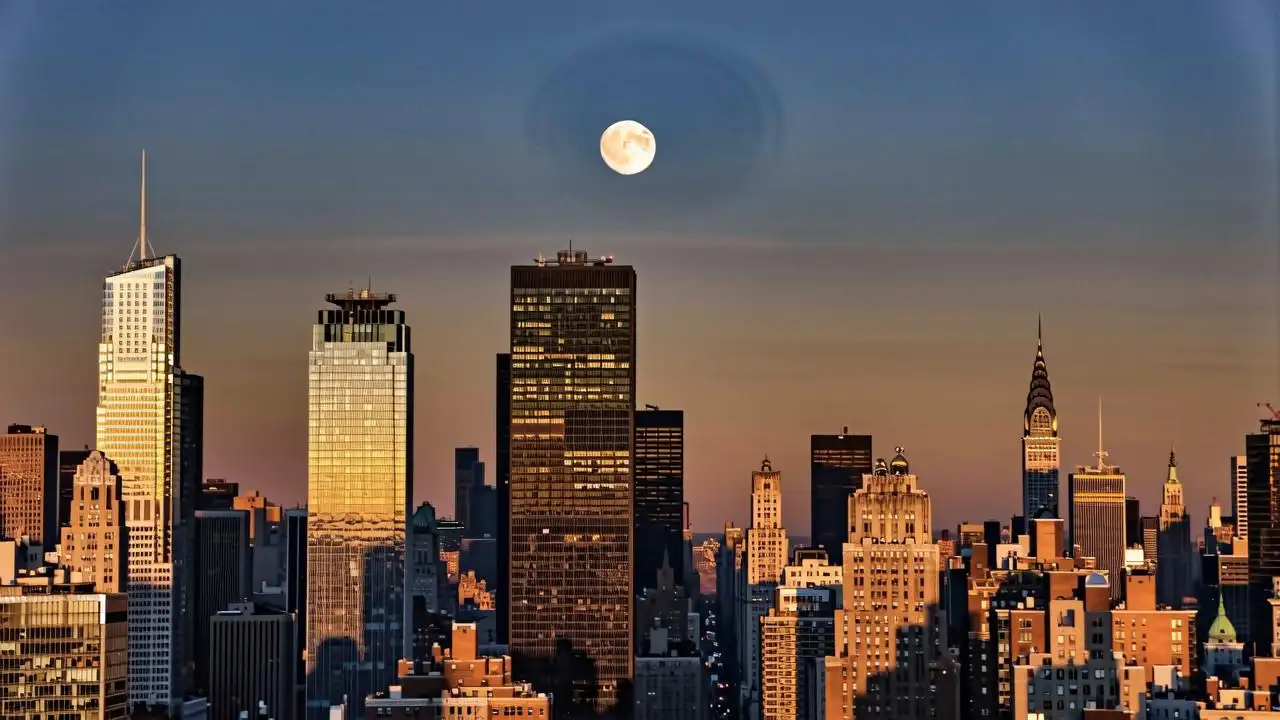
In summary, the full moon in november 2025 will occur on November 12, 2025, with the exact peak at 14:34 UTC. Regional variations place the event in the morning hours for North America and late afternoon/evening for Europe and Asia. By November 24, the Moon will be in the waning gibbous phase, with about 78% of its surface illuminated, continuing its journey toward the next new moon.
Accurate knowledge of the exact date of full moon 2025 and related phenomena supports a wide range of applications:
For verification, readers are encouraged to consult authoritative sources such as NASA’s Horizon System, timeanddate.com, or the U.S. Naval Observatory’s Astronomical Applications Department. These platforms provide peer-reviewed, algorithmically derived data ensuring reliability.
As interest in celestial events grows, having access to clear, factual information empowers individuals to engage meaningfully with the natural world. Whether tracking the lunar phase november 24 2025 or preparing for the brilliance of the full moon, informed planning enhances every experience.
Ethan Caldwell
|
2025.11.25


